
Bwindi Impenetrable National Park
UGANDA
Bwindi Impenetrable National Park, one of Africa’s most extraordinary wildlife destinations and a UNESCO World Heritage Site nestled in southwestern Uganda. This comprehensive and independent guide is designed to help you plan the ultimate gorilla safari, offering expert information on how to get there, gorilla trekking and habituation experiences, top attractions, where to stay, and how to secure your gorilla permit.
Bwindi Impenetrable National Park
Bwindi Impenetrable National Park is not only famous for gorilla trekking—it is also one of Africa’s oldest and most ecologically significant forests. Believed to have survived the last Ice Age over 25,000 years ago, Bwindi is a true relic of prehistoric Africa, which explains its incredible biodiversity and dense, “impenetrable” vegetation. The park was officially gazetted as a national park in 1991, covering approximately 331 square kilometers of montane and lowland rainforest, and later recognized as a UNESCO World Heritage Site in 1994 due to its global ecological importance.
Located in southwestern Uganda along the Albertine Rift, Bwindi is home to nearly half of the world’s remaining mountain gorilla population, alongside over 120 mammal species, 350 bird species, and more than 1,000 flowering plant species. Historically, the forest was inhabited by the indigenous Batwa people, who lived as hunter-gatherers before conservation efforts led to the park’s protection. Today, Bwindi stands as a leading example of conservation success, where strict visitor regulations and sustainable tourism help preserve its fragile ecosystem.
With its ancient origins, rich cultural heritage, and extraordinary wildlife, Bwindi Impenetrable National Park is not just a destination—it is a living museum of natural history, offering travelers a rare chance to experience one of the oldest surviving ecosystems on Earth.
Thinking about a Gorilla Trek Uganda?
There’s nothing like encountering your first mountain gorilla deep in the misty forests of Bwindi Impenetrable National Park. That soft grunt, the gentle rustling of leaves, and the metallic scent of the rainforest—nothing prepares you for the intimacy of that encounter. But beyond the thrill, gorilla trekking in Uganda feels meaningful. Every tourism dollar helps fund conservation projects and uplifts local communities.
Our Most Popular Sustainable Safari Packages
Conservation and Community Impact
Every gorilla permit and trek helps fund:
Anti-poaching patrols and ranger salaries
Community education and health programmes
Local employment—porters, guides, lodge staff; tourism now outpaces poaching in earning potential
A Conservation Triumph
Uganda’s mountain gorilla population has surged from just 254 individuals in 1981 to over 1,063 today—a testament to dedicated conservation and community partnerships. Trekking here isn’t just tourism—it’s directly safeguarding one of our planet’s most endangered great apes.
Cost Advantage
Compared to Rwanda (where permits now cost $1,500)
Uganda’s gorilla permits are $800—nearly half the price. That makes it one of the most affordable premium wildlife experiences on earth.
Stunning Locations
Bwindi Impenetrable National Park is the most iconic. With 17 habituated gorilla families spread across sectors like Buhoma, Ruhija, Nkuringo, and Rushaga, it’s a biodiversity hotspot.
Mgahinga Gorilla National Park is smaller and quieter, home to the Nyakagezi group and ringed by volcanoes—a perfect off-the-beaten-track option.
Ready to Experience the Magic of a Gorilla Trek Uganda?
If you’re dreaming of an unforgettable encounter with mountain gorillas while supporting real conservation and community impact, then a Gorilla Trek Uganda should be at the top of your list.
Whether it’s your first African adventure or one of many, this is one you’ll carry in your heart forever.
Bwindi Impenetrable National Park
Bwindi Impenetrable National Park is a sanctuary like no other, protecting nearly half of the world’s remaining mountain gorilla population. Nestled in the misty hills of southwestern Uganda, this ancient rainforest provides a rare and intimate wildlife experience for travelers seeking unforgettable gorilla trekking adventures. Visitors have the unique opportunity to track gorilla families through dense jungle trails, witnessing their social behaviors, playful interactions, and gentle nature up close. Bwindi’s carefully regulated tourism ensures that encounters are sustainable, ethical, and deeply immersive, making every gorilla safari both extraordinary and responsible.
Beyond its mountain gorillas, Bwindi is a biodiversity hotspot, home to over 120 mammal species, 350 bird species, and thousands of plants and butterflies, making it a must-visit destination for nature enthusiasts, photographers, and eco-tourists. The park’s dramatic landscapes, from steep hills to mist-shrouded valleys, combined with its ancient forest that survived the last Ice Age, create a truly magical setting. Trekking in Bwindi is more than a wildlife adventure—it is a once-in-a-lifetime journey into one of the most important conservation areas on the planet, where travelers connect with nature, history, and the awe-inspiring mountain gorillas that define this UNESCO World Heritage Site.
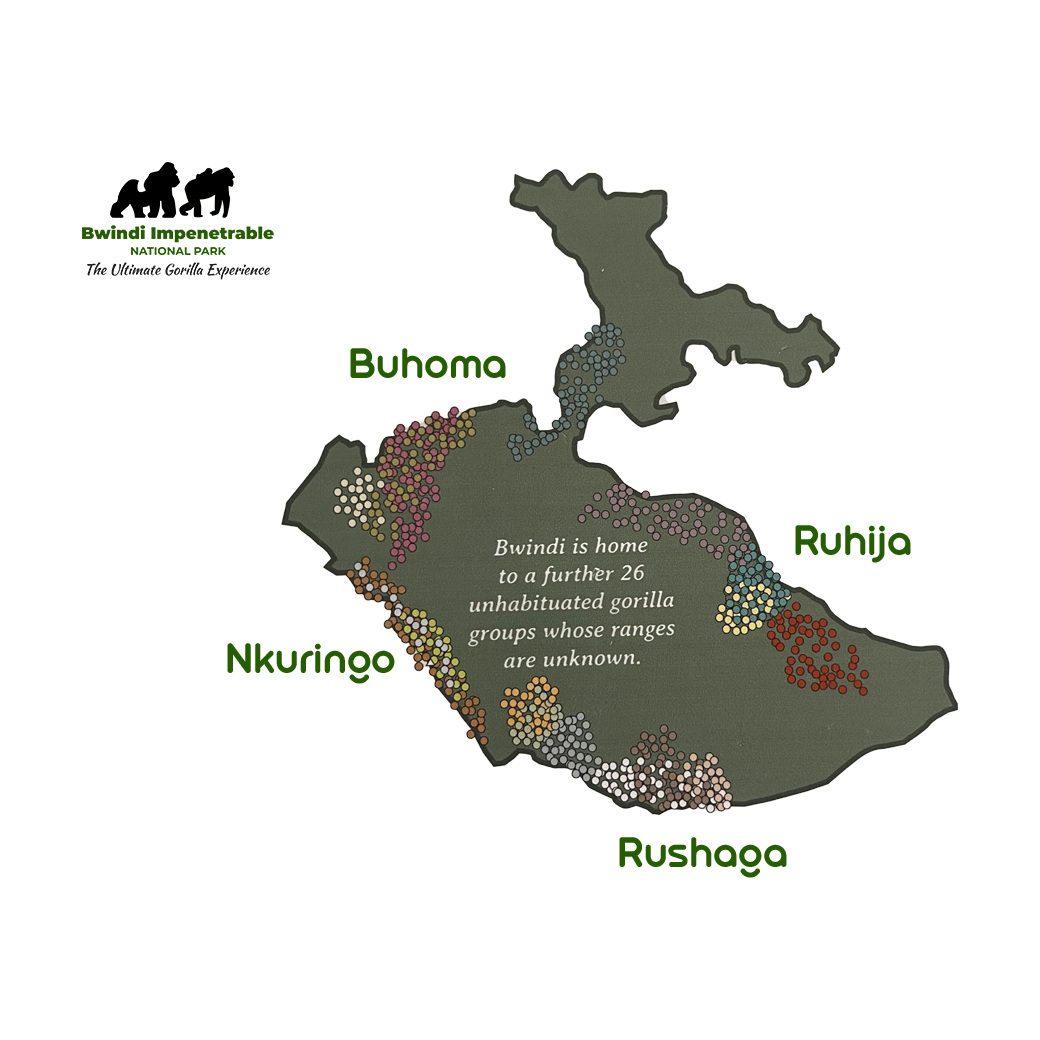
Bwindi Impenetrable National Park is divided into four distinct gorilla trekking sectors. Each offers unique terrain, varying levels of trekking difficulty, and specific habituated gorilla families:
Understanding the Sectors of Bwindi
Bwindi Impenetrable National Park, located in southwestern Uganda, is divided into four main tracking sectors managed by the Uganda Wildlife Authority (UWA). These are the official entry points for gorilla trekking:
- Buhoma Sector – Northern Bwindi
- Ruhija Sector – Northeastern Bwindi
- Rushaga Sector – Southern Bwindi
- Nkuringo Sector – Southwestern Bwindi
Each sector has its own habituated gorilla families, trekking routes, and nearby accommodation options.
The Rushaga Sector is the southern region of Bwindi Impenetrable National Park and is widely considered the park’s premier location for gorilla experiences. It is distinguished by having the highest concentration of habituated gorilla families and is the only place in the world that offers the Gorilla Habituation Experience.
The Nkuringo Sector is a major gorilla trekking region located in the southern part of Bwindi Impenetrable National Park in southwestern Uganda. It is widely regarded as the most challenging yet rewarding sector for mountain gorilla tracking due to its steep, rugged terrain and spectacular views.
Experience the ultimate Uganda gorilla trekking in Buhoma Sector, Bwindi’s oldest and most accessible trailhead. Home to the historic Mubare family, luxury forest lodges, and the Batwa cultural trail, Buhoma is the premier gateway for mountain gorilla adventures.
The Ruhija Sector is one of the four main administrative trailheads for gorilla trekking in Bwindi Impenetrable National Park, located in the eastern part of the park in southwestern Uganda. Offering panoramic views of the Virunga Volcanoes.
Trek with gorillas in Bwindi, explore the beauty of Lake Bunyonyi, and connect with local communities in a way most travellers never experience.
Every journey is designed to feel personal, meaningful, and unforgettable.
- The best place in the world for mountain gorilla trekking
- One of Africa’s most biologically diverse forests
- A sanctuary for over 120 mammals and 350 bird species
- Opportunities for cultural experiences with the Batwa
⟶Choose your gateway to the forest.
Each of Bwindi’s four trekking sectors offers a distinct experience of the park — different terrain, different gorilla families, different altitudes.
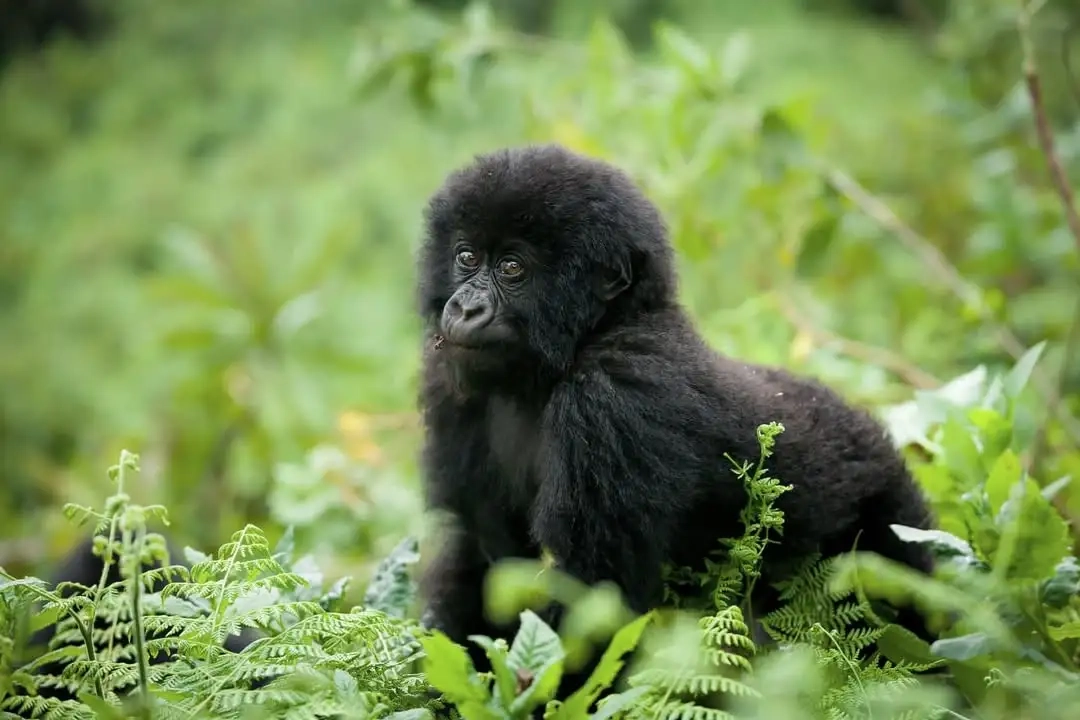
The Buhoma Sector Bwindi hosts four distinct gorilla families, each with unique characteristics and personalities that have been carefully studied and documented by researchers over the past three decades. The Mubare Group holds historical significance as the first family habituated for tourism, paving the way for Uganda’s entire gorilla tourism industry.
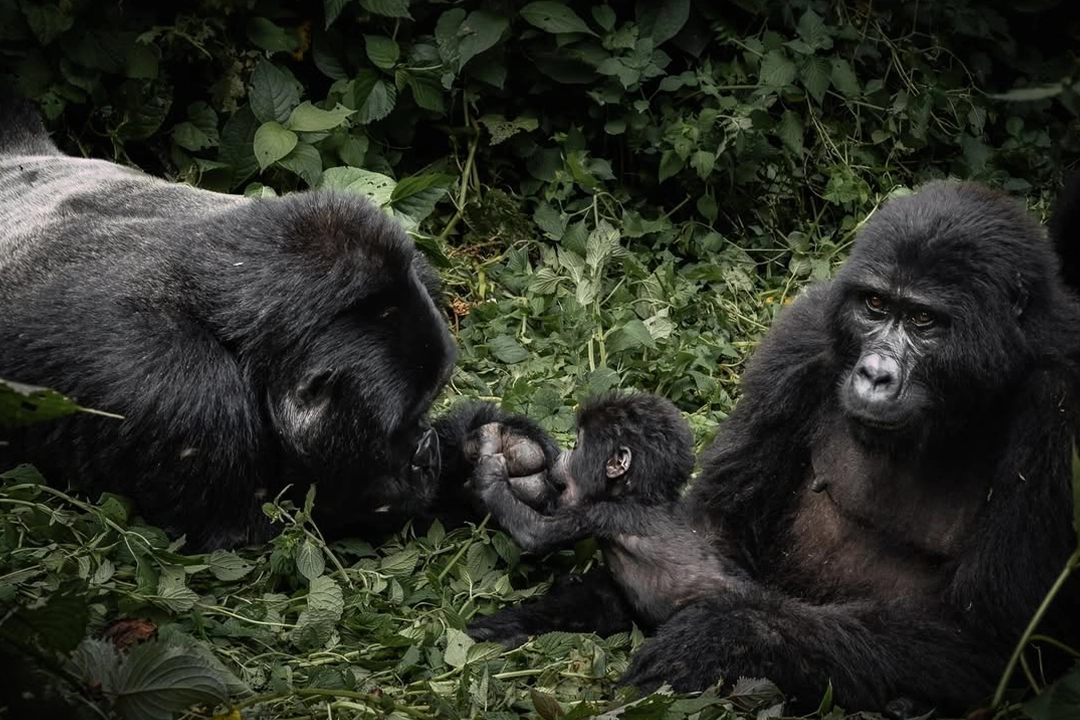
Rushaga Sector Bwindi currently supports 8 habituated gorilla families available for daily trekking activities, plus 2 additional groups reserved specifically for research and habituation experiences. This concentration of gorilla families makes Rushaga the most gorilla-dense sector within Bwindi Impenetrable National Park.
Ruhija Sector Bwindi currently hosts four habituated gorilla families, each with distinct characteristics and social dynamics. The Bitukura Group stands out as one of the largest families, with over 14 members led by a dominant silverback named Ndahura. This group formed relatively recently through a split from another family, making their social interactions particularly interesting to observe.
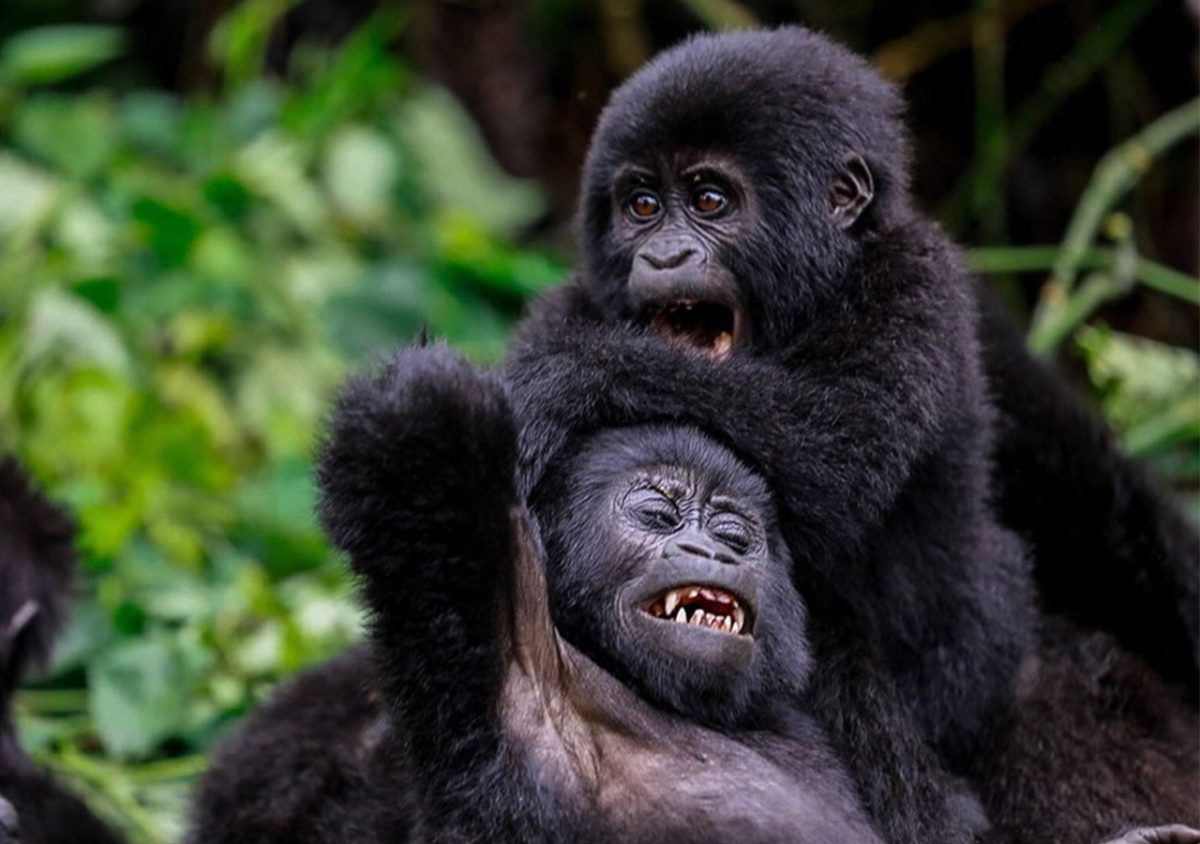
The Nkuringo Sector Bwindi represents one of four main gorilla trekking sectors within Bwindi Impenetrable National Park, alongside Buhoma, Ruhija, and Rushaga. What sets this southern sector apart is its reputation for hosting the most challenging treks in the entire park. The terrain here demands respect, with steep hills and dense forest paths that test even experienced hikers.
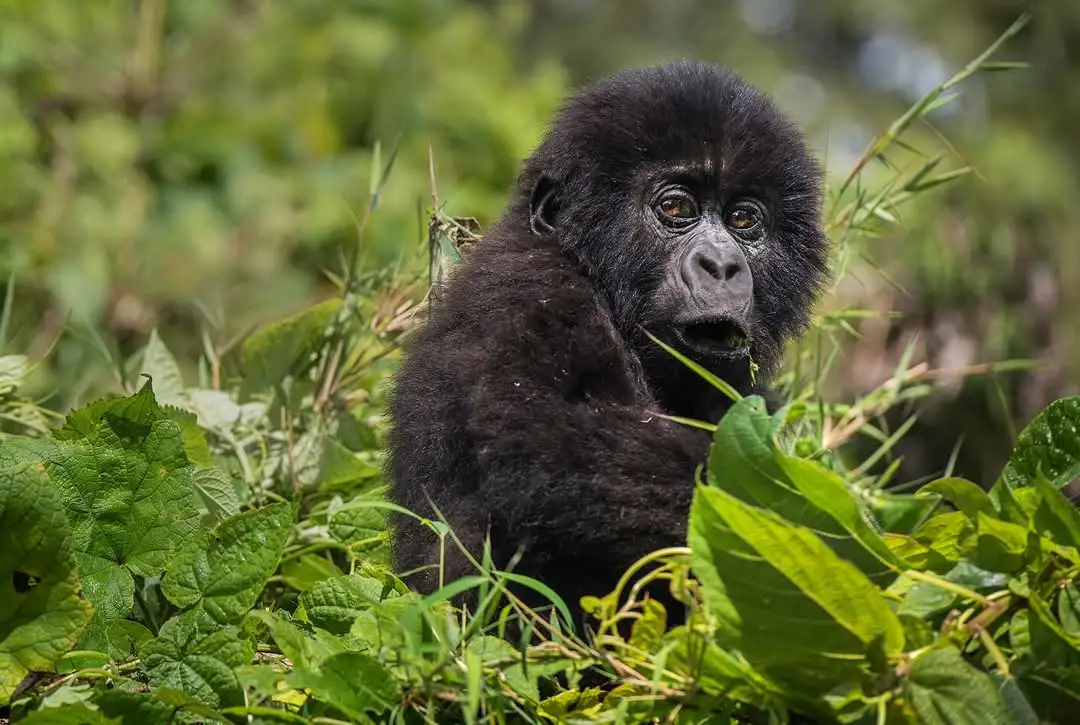
Read From Our Recent Visitors
EXCELLENTVerified Gorilla Trekking in the Mist I had a good and great Experience during this tour the guides had experience and where very knowledgablePosted on TripadvisorVerified Uganda-Bwindi NP Gorilla Tour Bwindi is one of the Unique destinations in Uganda with majestic mountain Gorilla experience, thick Vegetation, and beautiful scenery Gorilla trekking experience is one of the best experiences every travel would love to have in Bwindi. you can get full information about primates in their ecosystemPosted on TripadvisorVerified Mountain Gorilla trekking - an experience of its own. Bwindi National Park is one of the best outstanding locations in the world where you can have a real encounter with Mountain Gorillas in their Natural habitats. The forest is dense and represents the African safari jungles. We couldn't have enough of the Mountain Gorillas.Posted on TripadvisorVerified Bwindi Impenetrable Forest - one of the fullfilling safari destination in Africa Tracking Gorillas in Bwindi Forest of Uganda, is one of the best safari experiences. These rare apes can be located in these mountainous forests in Uganda and Rwanda. Anyone willing a safari to Africa, take a trip to Uganda or Rwanda. Its a once liftime adventure.Posted on TripadvisorVerified Lifetime moment with a family of habituated gorillas Amazing the experience to meet the gorillas! We did a tracking (habituated gorillas). We incredibly enjoyed both, felt very safe with the rangers, highly appreciated the communication with local teams, and the respect and knowledge of rangers for the animals. Loved it, well done to Bwindi national forest team!Posted on TripadvisorVerified Amazing Tour ! My Bucket List to experience with the Gorillas! Edward is a knowledgeable, responsible and skillful driver. He tried his great effort to fulfill our expectations. It really an unforgettable experience for Gorilla trekking trip in Uganda. The Company, African Safari Ltd, offers this 10 days trip within our budget which including a trekking trip for Gorilla & Chimpanzee, Rhinos tracking, 3 game drive in Murchison Falls National Park, Queen Elizabeth National Park and Mburo National Park, 2 boat cruise on Lake Kazinga and Bunyonyi. Comfortable and tidy lodge to stay and food is good with A La Carte choice. I definitely will highly recommended to my friends for this wonderful trip.Posted on TripadvisorVerified A truly incredible experience This truly is an incredible experience. The treks are organised well into groups of 6-8 people. We done a moderate trek which took about 1.5 hours to see the gorillas. We were told there would be a family of 9 but nothing is ever guaranteed and some sightings may not be close but wow we saw one silverback and two black backs super close they were within arms length and two even brushed past me on seperate occasions. You have to remain very still and quiet when this happens. The trek was hard. The weather changes all of the time and we had heavy rain the night before our trek so the terrain was very slippy . The sticks and a porter where much needed. I’d highly recommend a porter 1. You’re giving a local a job who may have had no work for weeks on end 2. Not only to carry your bag they are there for a helping hand to pull or push you where needed up or down the trek. I’m fairly fit and I was grateful for our porter. Take layers as it can be chilly to begin your trek early in the morning. We were glad to loan gaitors from our lodge and we forgot our masks and gloves so please remember your garden gloves as your guide will charge you 20.000 ahillings a pair or used gloves which you give back at the end of the trek. Flimsy masks are also 5.000 shillings. The garden gloves are much needed as lots of thorns etc around. The forest is very dense so you can be trekking through thick vegetation/terrain. And the masks are needed to protect the gorillas when you get close. I would love to come back and see the babies but so grateful we managed to get so closePosted on TripadvisorVerified Once in a Lifetime Experience This trekking experience was sensational. We did a harder trek which paid off for the hard work! We had a group of 7 fit people which made the journey easier. They judge the groups fitness ahead of time to ensure you are able to do the right trek for you so if you need to not go so far they pick a closer group. We saw a family called the Bitukura Family which has 3 silver backs, 3 black backs, and babies of a total of 14 members. The baby we saw was only 4 months old it was incredible. The gorillas are habituated so they do get close to you even when you move away as a baby did play with my husband by hitting his legs and running away. The guides keep you at a safe distance as they can get agitated however there are guards to shoot in the air if something escalates. Thanks for Joan and Junior on our trek who were there if this became necessary. Moses was our guide with Elizabeth a trainee and we also met 3 trackers as well, without them this special encounter would not have happened. We can’t wait to come back as this was one of the most incredible things we have ever seen! There are porters available for purchase to carry your items ($20) if you do not wish to , which benefits the community when you do hire them. Also they can help you in difficult spots where you need a push or pull in an area. Walking sticks were provided to everyone for free. We had our packed lunch on a spot in the forest on the ground near the spot where we would pick up the cars, it was so fun! It is muddy and slippy wear gloves, Gaitors, and socks tucked into pants as this was essential for the ants we encountered, long sleeves and long pants, hiking shoes, and a rain coat as it did rain right when we left. The morning starts cold but you warm up quickly. Fantastic must do experience!Posted on TripadvisorVerified VISIT TO BWINDI IMPENETRABLE NATIONAL PARK Bwind N.P is habitual place for Mountain Gorillas with various families and groups: BINYINDO, Habinyanjaa and othersPosted on TripadvisorVerified L'emozione che non puoi spiegare. Il trekking alla ricerca dei gorilla nella Bwindi Forest è un must di chi viene in Uganda. Il solo trekking nella foresta vale il viaggio, immersi in una vegetazione fitta e incredibilmente verde. Arrivati al punto di incontro assisterete ad una breve esibizione di balli della comunità locale, seguiti dalla spiegazione di come è nato e si è evoluto il progetto di conservazione dei gorilla. Successivamente verrete chiamati in base al gruppo a cui siete stati assegnati, conoscerete la vostra guida di riferimento che vi dirà quale famiglia di gorilla andrete a vedere e come è composta ( nel nostro caso, 8 membri, di cui un cucciolo). È indispensabile avere abiti adeguati ( maniche lunghe e pantaloni lunghi, che vanno inseriti nelle calze), scarpe da trekking, bastoncini ( aiutano moltissimo), cappello, guanti per spostare i rami e mascherina ( obbligatoria quando siete a contatto con i gorilla, ve la forniscono ma se ve la portate da casa evitate di utilizzare le loro usa e getta che diventano materiale non riciclabile). C'è la possibilità di avere il portantino, ovvero una persona che verrà con voi portandovi lo zaino ( dentro cui è importante mettere acqua in abbondanza e kway in caso di pioggia): il costo è di 22 dollari / testa, noi abbiamo ritenuto che fosse giusto prenderli per dare loro la possibilità di lavorare e guadagnare. Vi saranno anche molto utili nelle zone più difficoltose aiutandovi a superare dislivelli, buche ecc. Esiste anche la possibilità per chi non fosse in grado di fare la camminata di essere portati su una specie di sedia trasportata da 4/6 ragazzi, al costo di 300 dollari. L'incontro con i gorilla avviene grazie al pattugliamento della zona che viene effettuato fin dal mattino presto da un gruppo di ragazzi che si recano nella zona nella quale la famiglia è stata vista il giorno precedente. Quando si è in prossimità dei gorilla le guide si assicurano che indossiate le mascherine, si fanno consegnare bastoncini o bastoni con i quali avete affrontato la salita e vi danno delle brevi indicazioni ( non si può mangiare,bere,fumare,toccare o avvicinare i gorilla, in caso di loro avvicinamento o di dubbi su cosa fare, guardare la guida che vi dirà se è tutto a posto o se dovete allontanarvi). I gorilla li vedrete da molto vicino, le guide vi indicano dove e come posizionarvi assicurandosi che tutti possano vederli, togliendo la vegetazione che avete davanti. Il tempo di permanenza con loro è di un'ora, al termine della quale vi faranno allontanare per non essere una fonte di disturbo e stress. Abbiamo quindi fatto pranzo al sacco in mezzo alla foresta e poi siamo rientrati alla base, dove ci hanno consegnato il certificato di avvenuto trekking. Non consigliato se non si ha un minimo di allenamento ( non serve essere degli atleti, ma un po' di resistenza e fiato occorre averli). Esperienza che vale fino all'ultimo dei soldi spesi!
Gorilla Trekking Guide
⟶ Bwindi Impenetrable National Park FAQs
Everything you need to know before Trekking Gorillas in Bwindi Impenetrable Forest.
→ 1. What is gorilla trekking in Uganda and Rwanda?
Gorilla trekking is a once-in-a-lifetime safari experience where travelers hike through dense rainforest to see endangered mountain gorillas in the wild. The most popular destinations are Bwindi Impenetrable National Park and Volcanoes National Park, home to the world’s remaining mountain gorillas.
→ 2. How much does gorilla trekking cost in 2026?
Gorilla trekking permit prices are:
- Uganda: $800 per person
- Rwanda: $1,500 per person
These permits include park entry, ranger guides, and one hour with the gorillas. Booking early is essential due to limited daily permits.
→ 3. Which country is best for gorilla trekking, Uganda or Rwanda?
- Uganda offers more affordable permits and diverse trekking sectors.
- Rwanda provides easier access and shorter travel times.
Both offer exceptional encounters with mountain gorillas, making either destination ideal depending on budget and travel style.
→ 4. What is the best time for gorilla trekking in Uganda and Rwanda?
The best time for gorilla trekking is during the dry seasons:
- June to September
- December to February
These months offer better hiking conditions and clearer forest trails.
→ 5. How difficult is gorilla trekking in Bwindi or Volcanoes National Park?
Gorilla trekking ranges from moderate to challenging. Treks can last between 1 to 6 hours depending on the gorilla family’s location. Fitness is recommended, but porters are available to assist.
→ 6. What should I pack for a gorilla trekking safari?
For the best experience, pack:
- Waterproof hiking boots
- Long-sleeved shirts and trousers
- Rain jacket
- Garden gloves for grip
- Insect repellent
- Drinking water and energy snacks